
Smarter Food Development
Delivering market-ready food product development with deep scientific expertise, regulatory intelligence, and actionable, scale-up-ready insights, without the guesswork.
Why choose Vivatra?
Product development in food is inherently complex:
Teams face:
- Technical uncertainty across formulation, scale-up, and processing
- Regulatory and compliance risks discovered too late in development
- Market performance that fails to match early promise
- Long, iterative R&D cycles that drain time, budget, and momentum
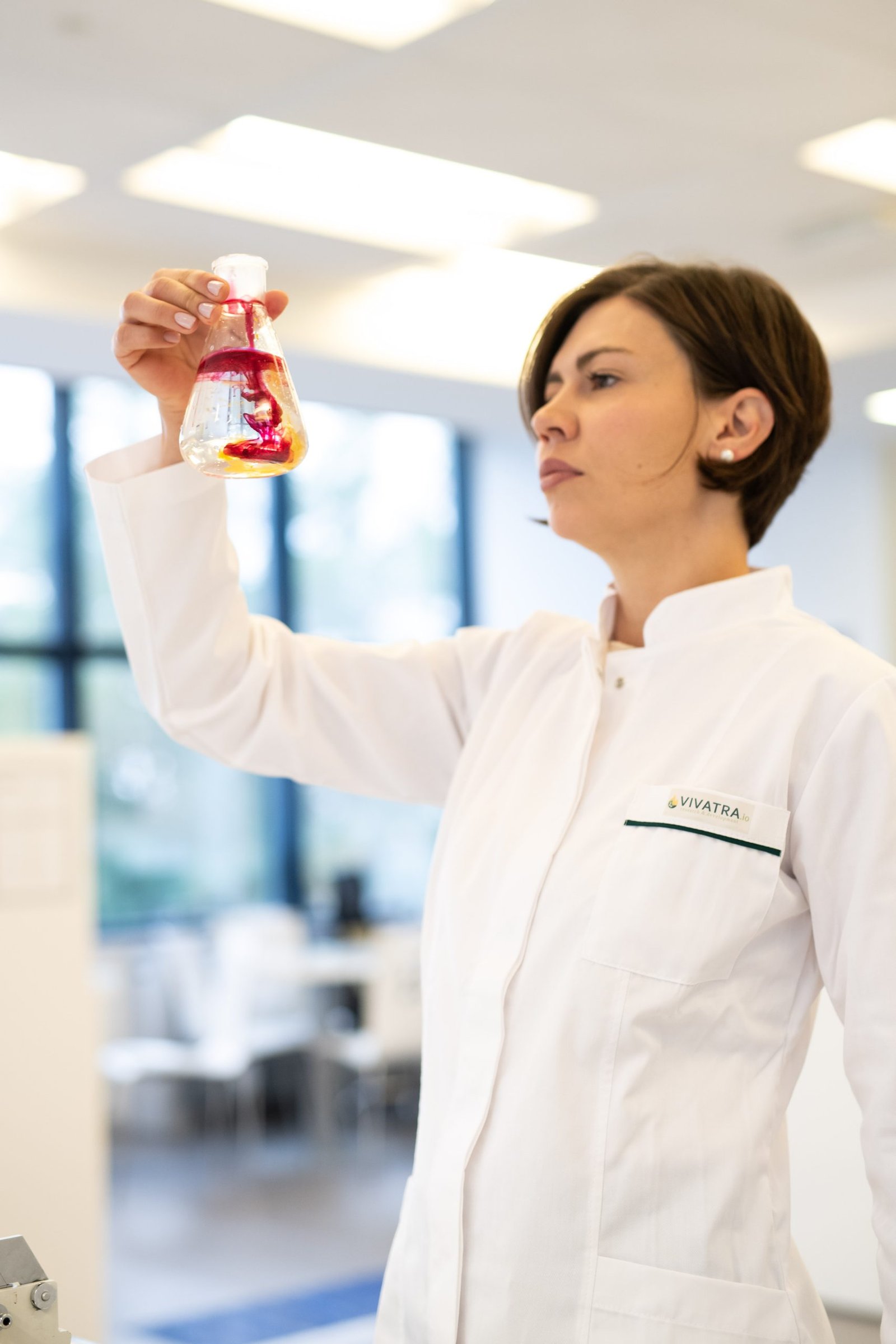
We are combining science, regulation, market and consumer insight, and commercial expertise to reduce risk and accelerate outcomes.
What We Do
Product Development & Reformulation
We support food companies in developing new products and smarter reformulations — reducing technical, regulatory, and market risk from the very beginning.
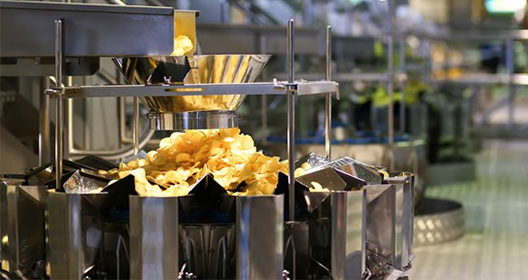
Scale-up & Industrialisation
We support the transition from lab to production.
Our approach ensures products are ready for industrial scale.

Shelf-life determination & Extention
We help food companies determine and extend shelf life
By identifying stability and safety risks early, we reduce costly rework & shorten development.
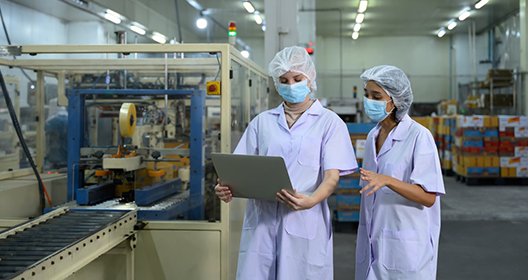
Specialist Training
We support future new product developers and R&D professionals who want to extend their knowledge and gain a deeper understanding of food innovation, emerging trends, and evolving EU regulations and standards.
Our Innovation
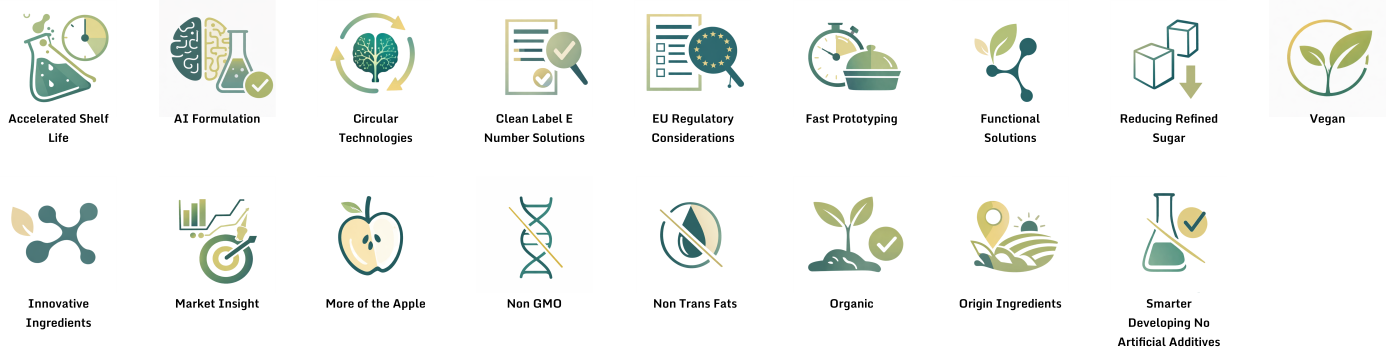
How we develop new products
Business
outcomes
we deliver:
1
Products designed for commercial success.
2
Fewer iterations and predictable technical performance.
3
Alignment with regulatory, consumer & market insights from Day 1.
4
Clarity between R&D, QA, and executive decision-making.
We are Vivatra
Our Services
In the labs
Development
We develop new food products, by integrating formulation, processing requirements, regulatory constraints, and commercial targets early to help teams make better decisions before time and budget are lost.
Reformulation
Our reformulation work goes beyond ingredient replacement, ensuring technical feasibility, compliance, sensory performance, and cost remain aligned.
Shelf Life Determination
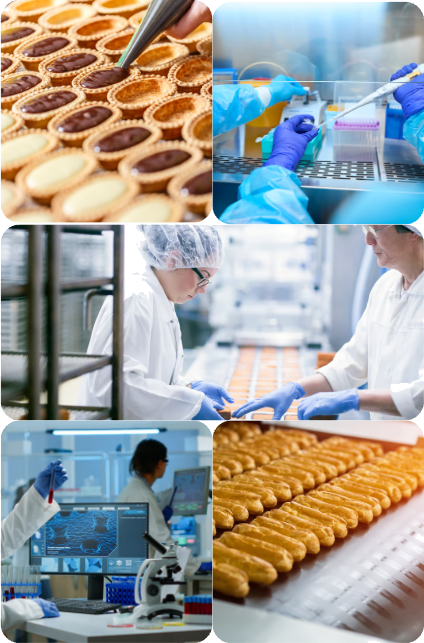
Shelf life is not a label claim, it is a technical conclusion supported by evidence. At Vivatra, we determine shelf life through a structured combination of sensory evaluation, physical testing, microbiological analysis, and physicochemical measurements (a_w, pH, moisture, oxidation markers, and others relevant to the matrix). Studies are run in real time and, where appropriate, under accelerated conditions to model degradation more quickly without losing predictive validity.
Each protocol is built around the specific product matrix, packaging system, and intended storage and distribution chain. The result is a defensible shelf life with full documentation of methodology, raw data, and decision rationale, ready to support labelling decisions, retailer specifications, and regulatory dossiers.
Pilot &
Scale up
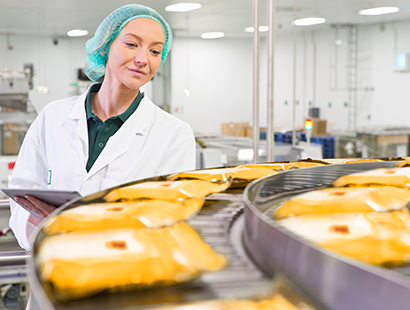
We support the transition from concept to production by addressing process robustness, manufacturability, and compliance before scale becomes a risk.
From pilot trials to industrial reality, we ensure products are ready for scale, not just lab success.
Fast Prototyping with the Product Design Engine-Vivatra PDE by combining structured development logic with predictive insight, we enable teams to test, validate, and refine concepts early.
Prototypes are designed to answer the right questions first and evaluate risks, supporting faster, more confident development decisions.
Specialist
Training

We introduce current industry trends, evolving regulations, and modern development practices, helping participants continuously upgrade their knowledge and operate with confidence in a fast-changing, dynamic business environment.
For early-career professionals, trainings offer a space to apply acquired knowledge, combine it with creativity, and test ideas under realistic industry conditions, bridging the gap between theory and practice.
Our work is powered by Vivatra Product Design Engine (PDE)
A knowledge-based system that makes compliance, stability, and shelf life visible early in product design.

The PDE is not a generic AI assistant — it is a knowledge based design system built specifically for food development under real regulatory and manufacturing constraints.
What it enables
- Earlier feasibility decisions, before pilot and scale-up
- Reduced trial-and-error across formulation, processing, and shelf life
- Faster alignment between R&D, QA, and regulatory teams
- Cleaner product design without late-stage compliance or scale-up surprises
Explore how Vivatra Product Design Engine supports earlier,
higher-confidence decisions in food product development at
productdesignengine.ai.
Our story
Vivatra was built on a simple belief: food deserves a better approach.
We are scientists and engineers with backgrounds in food science, technology, nutrition, and commercial product development.
Together with our network of specialist partners, we bridge the gap between an idea and a product that can be manufactured,
scaled, and succeed in the market.
Because food is never just a recipe.
Every successful product depends on ingredient functionality, processing technology, nutrition, consumer expectations,
regulation, manufacturing, and commercial viability. Overlook one of them, and even the best idea can fail—often late and at
significant cost.
That’s why we combine scientific expertise with consumer insight, manufacturing know-how, and AI-assisted development tools
to make better decisions. We listen carefully, understand the market, and transform ideas into products that are technically
robust, commercially relevant, and built for real-world production.
We deliberately take on only a limited number of projects because meaningful product development demands focus, research, and
high standards.
Our standard is simple: if we wouldn’t confidently serve it to our own families, we won’t develop it for you. That means designing
nutrition into products from the beginning, simplifying ingredient lists where technology allows, making only claims that stand up
to evidence, and considering sustainability as part of the design.
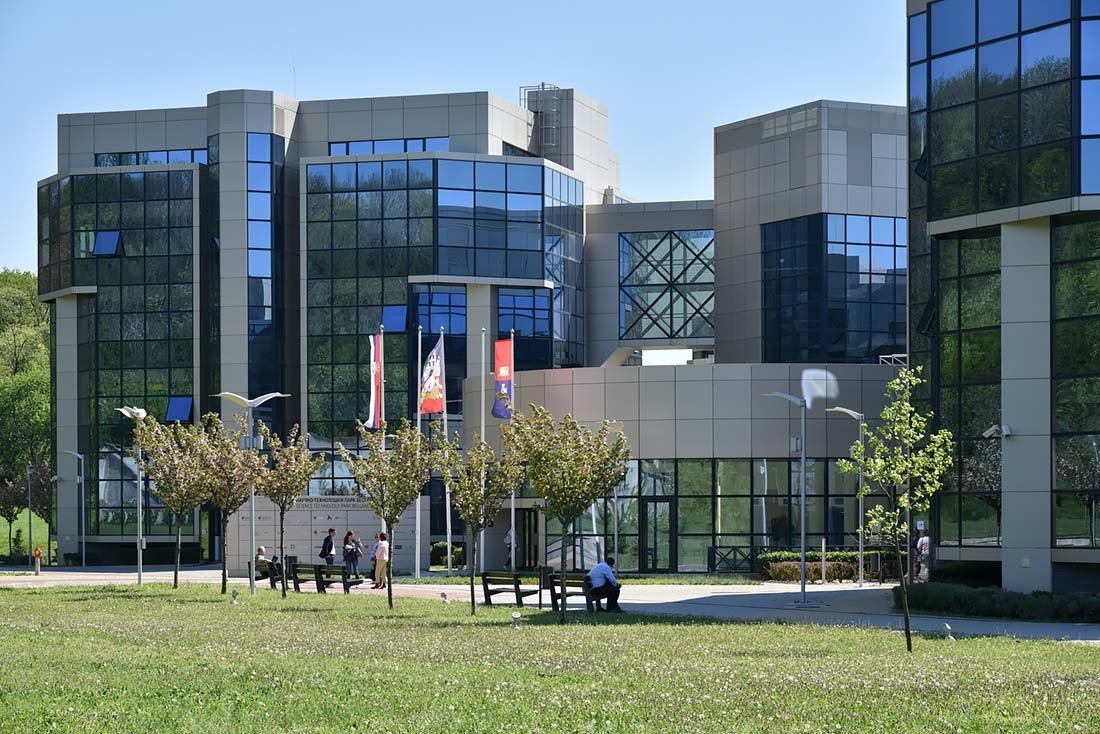
Vivatra operates within the Science Technology Park Belgrade innovation ecosystem, developing products through registered laboratory facilities and in direct collaboration with industrial manufacturing partners.
Jovana Tomić Poepelt
MSc, Founder
Jovana Tomić Poepelt is a food scientist, entrepreneur, and
product innovation leader with more than fifteen years of
international experience developing food, dietary supplement,
and functional nutrition products—from early concepts to
industrial production. She has led international R&D teams, is a
co-inventor on patents in early-life nutrition, and holds an MSc in
Food Technology from Ghent University and KU Leuven.
Her work spans product innovation, formulation, process
development, functional ingredients, and the translation of
scientific research into commercially successful products. She
combines technical expertise with a deep understanding of
consumer needs, manufacturing realities, regulatory
requirements, and market strategy.
She founded Vivatra to help companies develop better food
through science, data, and smarter decision-making.


Anđela Matković
MSc, R&D Engineer
Anđela Matković is a food scientist with a Master’s degree in Food
Technology Engineering and a specialization in Innovation in Food
Science and Technology through the Michele Ferrero Master’s
Program at Università Cattolica del Sacro Cuore, Italy. During the
program, she gained hands-on experience in product development at
Ferrero, combining scientific knowledge with industrial innovation.
She is also pursuing a Master’s degree in Marketing Management,
strengthening the connection between food science, consumer
understanding, and strategic brand development.
Anđela believes the best food products are created when science,
technology, consumer insights, and responsible marketing work
together. She is passionate about translating complex scientific work
into products that create genuine value for both consumers and
businesses, while ensuring communication remains transparent,
evidence-based, and trustworthy.
She sees innovation not only as creating something new, but as
solving the right problem—developing food that people understand,
trust, and genuinely want to choose.